Chisinau
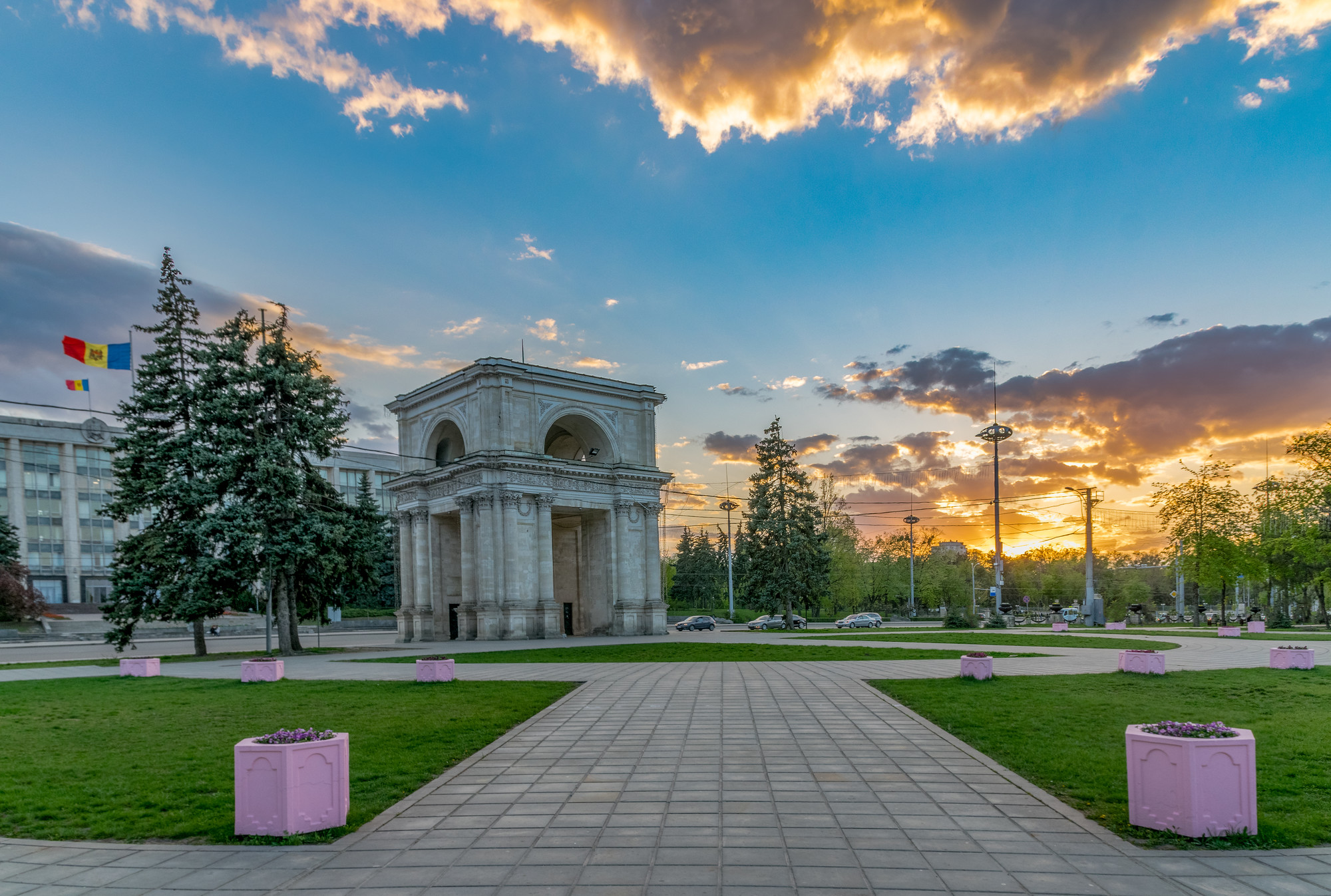
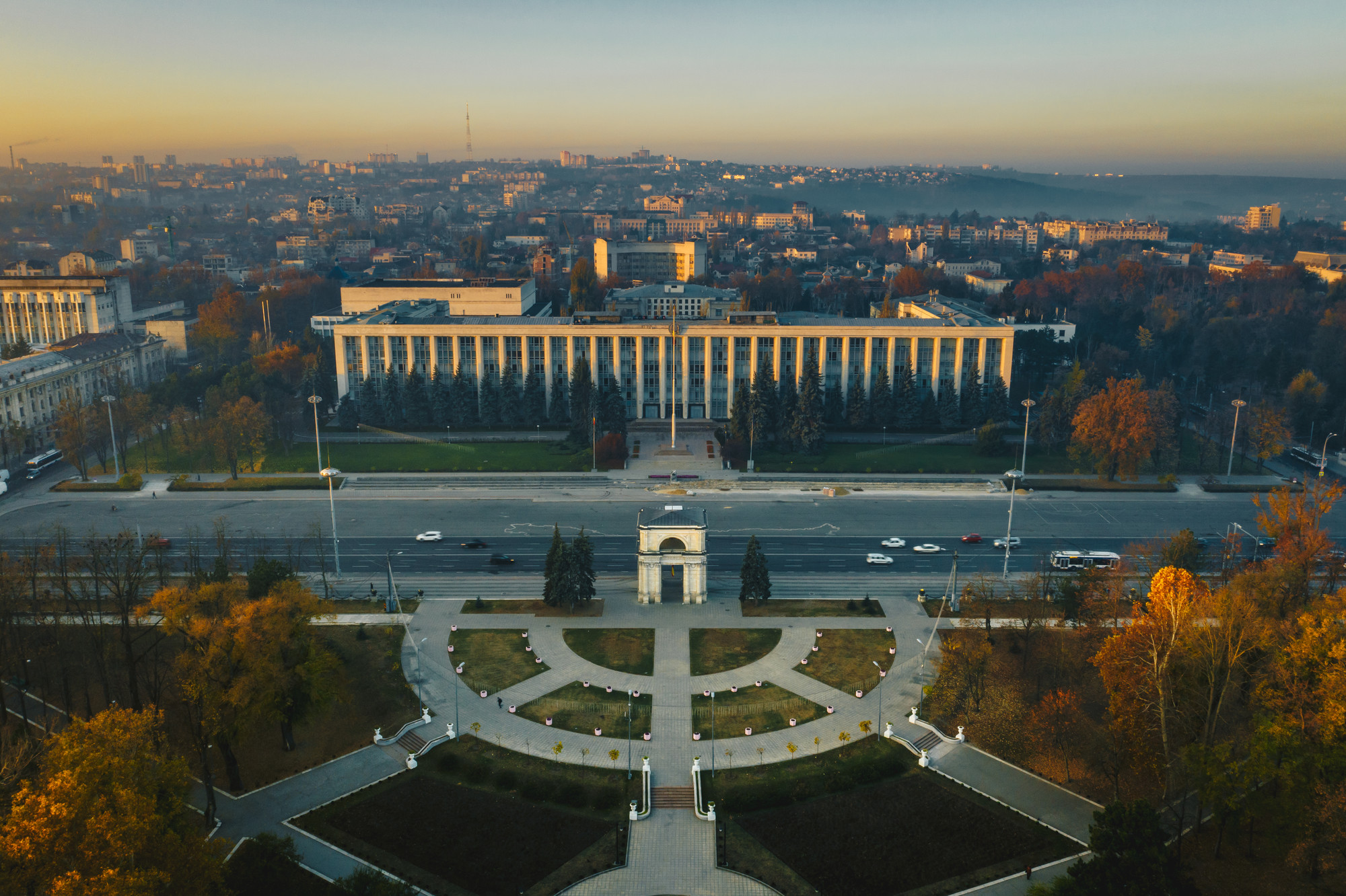
The 20th century did not let up. The Second World War left Chișinău largely in ruins, a 1940 earthquake having already done considerable preparatory damage, and the Soviet reconstruction that followed gave the city the wide avenues, monumental government buildings and concrete apartment blocks that now coexist with its older fabric in a way that is either an architectural contradiction or a perfectly honest record of everything the city has been through, depending on your disposition towards Stalinist urbanism.
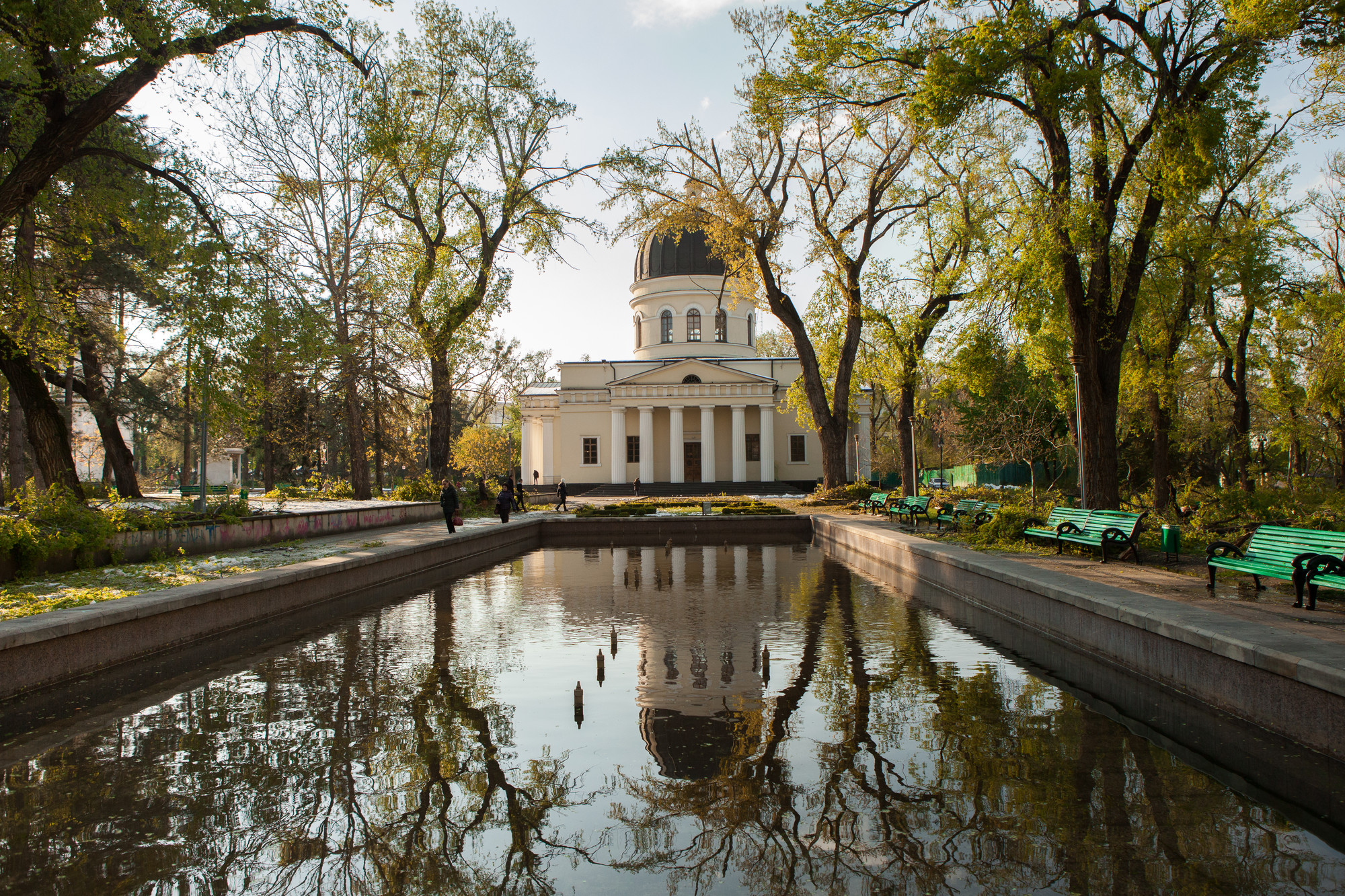
What Chișinău has going for it today is considerable. Moldova is the wine country that the wine world is finally beginning to pay attention to, with a winemaking tradition dating back at least 3,000 years and a National Wine Festival each October that fills the city's streets with more enthusiasm than most capitals manage for their headline events. The city itself is greener than you expect, built across seven hills with parks, lakes and tree-lined boulevards softening the Soviet geometry. The prices, by western European standards, are almost comically low. The EU candidate status granted in 2022 has given the city a new forward momentum. Chișinău is not yet on most people's radar, which, for the time being, is entirely to its advantage.