

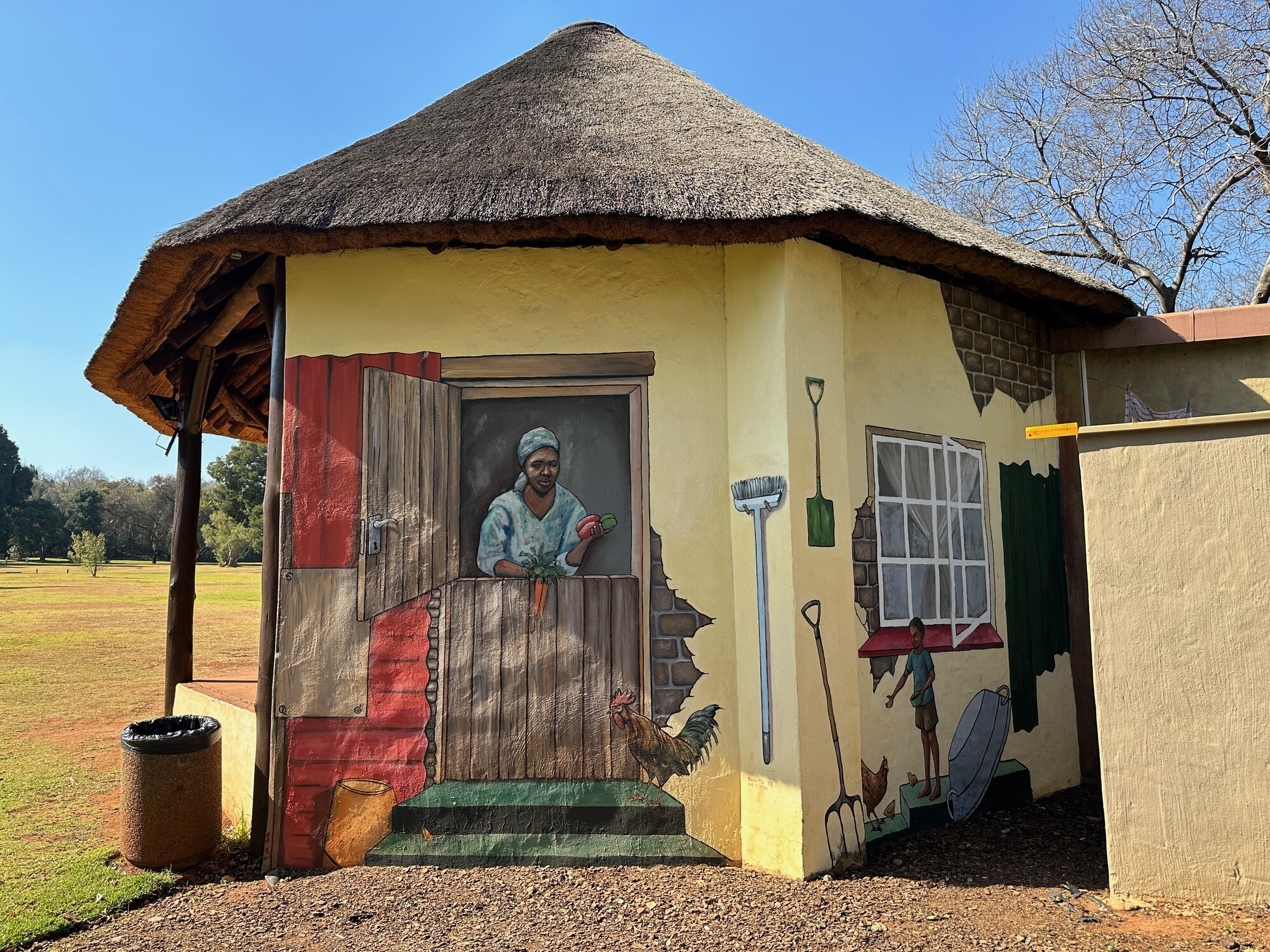
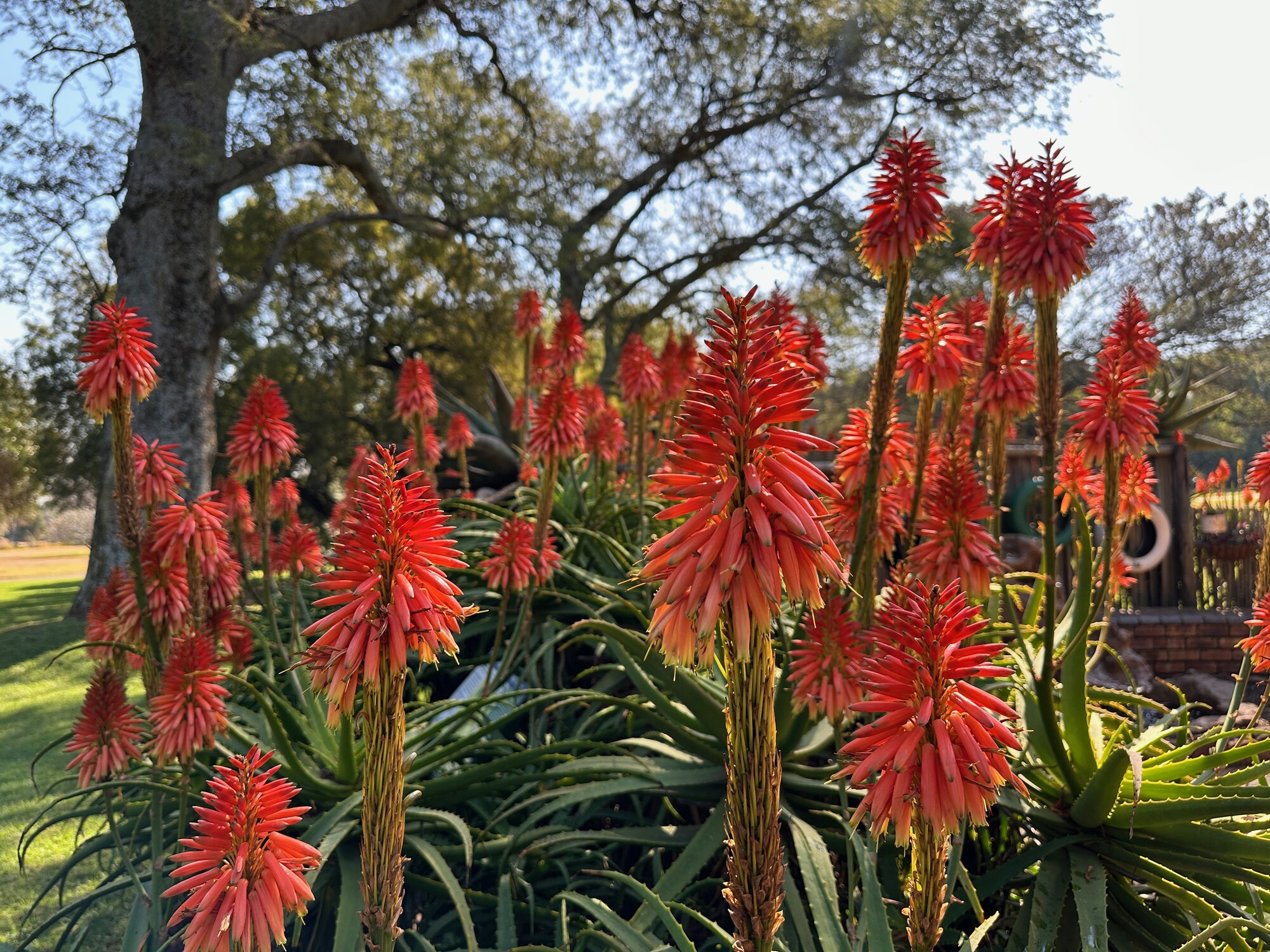
Located in a busy and built-up section of our northern city neighbour, the garden is a welcome respite from its surrounds. We recently took a walk with the team here (August, 2023) and found ourselves in a place you’ll definitely want to explore. Especially if you want to pretend that summer arrived early (did we mention that Pretoria gets three degrees warmer than Joburg?).
The Pretoria National Botanical Garden is part of SANBI – the South African National Biodiversity Institute – and one of South Africa’s nine national botanical gardens, which includes Kirstenbosch Botanical Garden in Cape Town and Joburg's Walter Sisulu Botanical Garden. Each is utterly unique.
The national gardens are focused on protecting biodiversity and are fixed on indigenous planting only (different, for example, from the much-loved Emmarentia Botanical Garden which is a municipal garden). Although saying that, the Pretoria garden does have a rare selection of exquisite Madagascan plants that were brought back from a field trip by a scientist many years ago – predating legislation passed to prevent people from randomly carrying plant matter across borders.
Photo: Johannesburg In Your Pocket.
Started in 1946, the garden takes up 76 hectares, with a large, uncultivated area of protected grassland. An important exercise in conservation, only 46 percent of the land has been developed, making it especially interesting. The garden is divided in two by a 35-metre-high quartzite outcrop, which separates the frosty south-facing section from the warmth of the north. This means you get to experience two different garden worlds, with a wide array of indigenous fauna and flora and an opportunity to walk through fascinating natural vegetation.
The land was once part of the University of Pretoria – and was an experimental farm. It was amalgamated into the National Botanical Institute in 1989, which in 2005 became SANBI. This is a very active space; we enjoyed seeing the many activities on offer at the gardens like guided walks and monthly talks to give you more insight into the world of plants. Pretoria National Botanical Garden has the feel of a community space as there appears to be participation from local groups and societies to create the opportunity to explore deeper.
Here’s what you need to look out for when you go:
The National Herbarium
This garden is the Pretoria administrative hub for all of SANBI, and the location of the National Herbarium, an imposing building that houses the most extensive collection of plant species in southern Africa – up to a count of more than one million species. This impressive building is Africa’s largest herbarium and the fourth largest in the southern hemisphere. The herbarium also houses the largest botanical library on this continent. Every plant collected in the wild gets a number and is documented here.Bird life at Pretoria National Botanical Garden
Bird life here is plentiful with more than 220 recorded bird species that range from birds of prey – including falcons and kestrels who favour the garden’s dassie population. On a sunny day, you’ll see the dassies stretching out across rocks and wide tree branches enjoying the rays, oblivious to what's flying overhead. For avid twitchers, we found a fun set of checklists here.Learn about gardening
From water-wise to medicinal plants, the garden offers easy-to-read and accessible information (there are even signs in Braille). The team here is keen to encourage amateur botanists to take a deeper interest in plant life.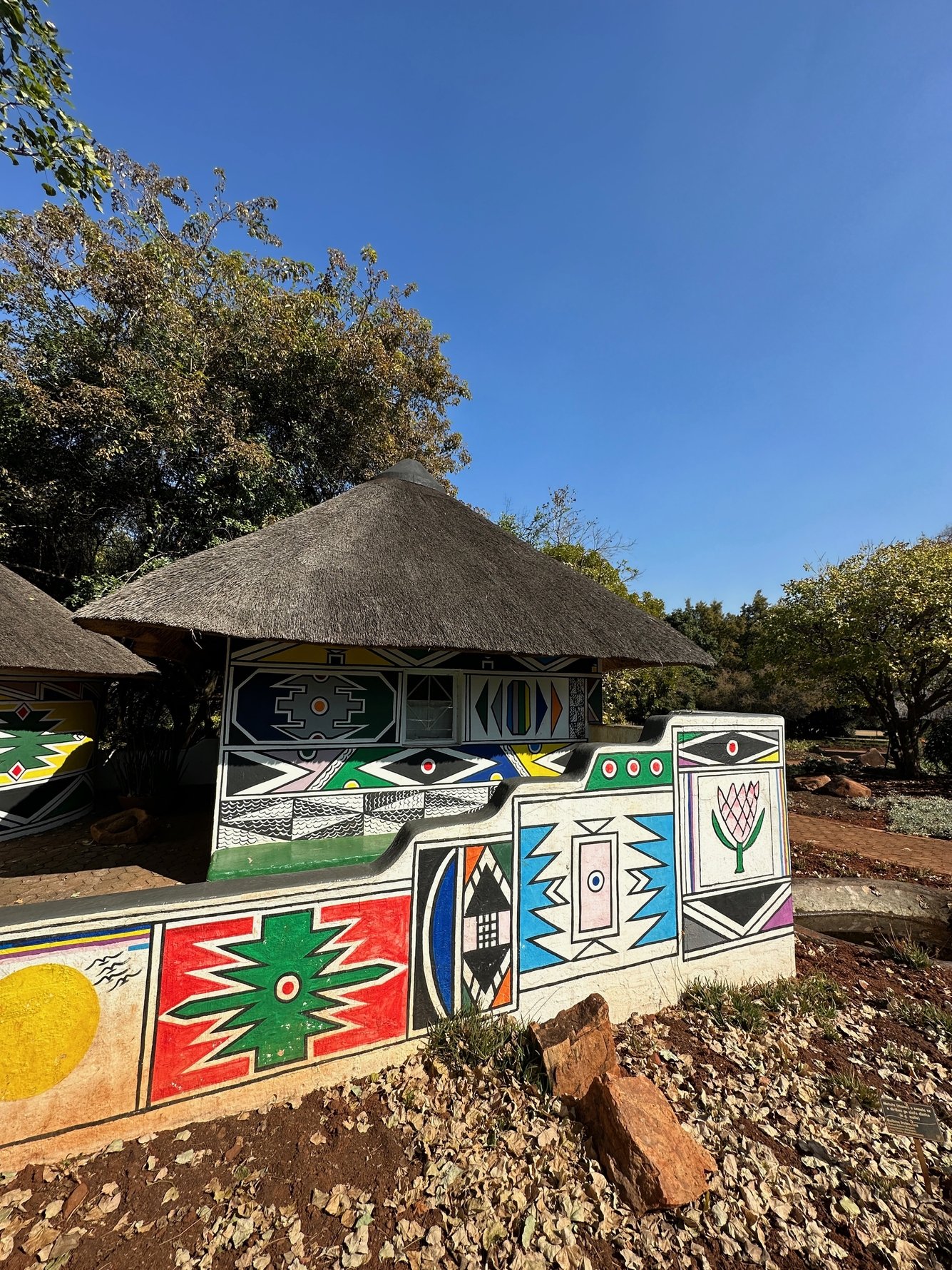
Photo: Johannesburg In Your Pocket.
Special gardens
There’s a wide array of special gardens that include a glorious succulent garden, and our favourite, a cycad forest. We loved seeing how active the team is here, and hearing that different themed gardens are continuously being developed.Accessibility
The garden is designed to take into account accessibility and you’ll find lots of thoughtful design. Bathrooms are adapted especially, and if needed, wheelchairs are available at the entrance on request. We loved seeing the Enabling Garden, a specially themed space designed with the needs of those who are physically challenged in mind. The information displayed here is also on Braille boards.Travel the tree route
The tree route is an opportunity to learn more about 50 indigenous trees. The gardens offer a booklet on the route at the cost of R25, available at the entrance, and regular guided tours. For more information email Wally Doubell, info@trees-id.co.zaExplore the grassland
With more than 304 plant species, of which 14 percent are grasses and the balance are flowering plants, this 6.4-hectare space is well worth visiting. It’s a place where you need to train your eyes to look closer as there are many insect and animal species.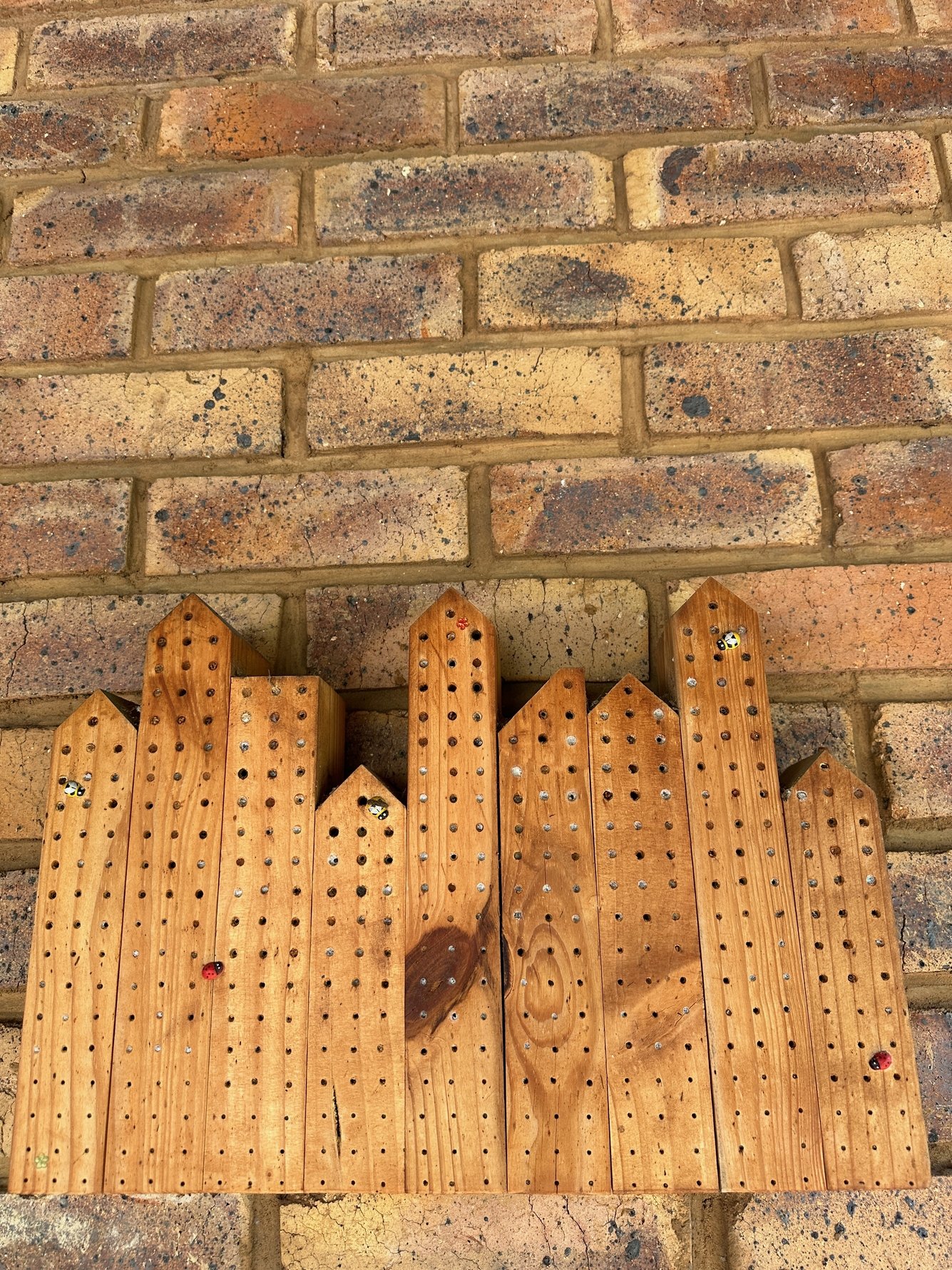
Creature features
From yellow mongoose to lizard species, the African hedgehog to the common duiker, the garden is a great spot for those who like to tick off their sightings. Scrub hares (those dassies), moorhens and house bats are also a common sight (although we reckon you probably don't want a bat in your house, ever). Take the dassie trail or if you dare, the bat walk. There are plenty of fun ways to view the wildlife here.Medicinal plants
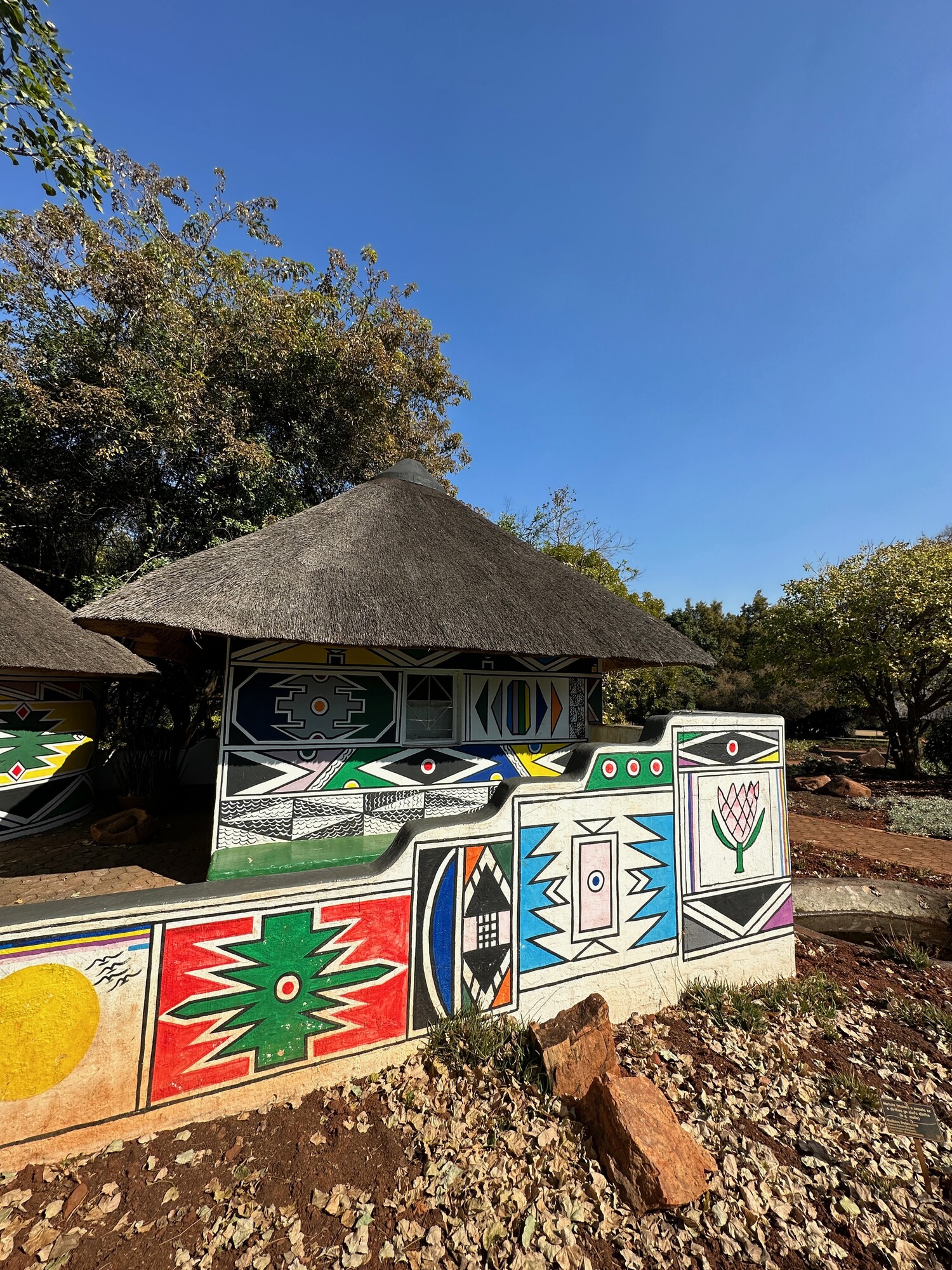
Look out for the beautifully painted huts in Ndebele designs. Around them medicinal plants are the focus – and there is fascinating information to be learnt about the uses of these plants. From plants that stave off hunger and the spekboom known for quenching thirst, to those that heal wounds or cause a gentle state of being (as Joburgers, we like the sound of that). It’s a sensory experience as you get to touch and smell the different plants. Read the signs carefully throughout the gardens as some innocent-looking plants can be harmful to humans.Indigenous jacaranda
If you visit in spring keep a lookout for the indigenous version of the jacaranda tree, the Bolsanthus tree. Jacaranda trees, despite being a landmark in Pretoria (known as the Jacaranda City) are in fact invader species and while we revere their beauty every year, it is illegal to plant new jacaranda trees.
Comments