

The Creative Karst
more than a year ago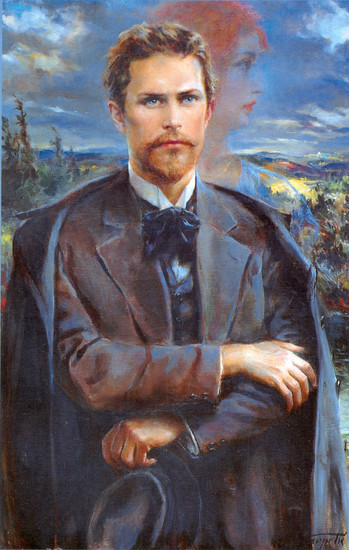
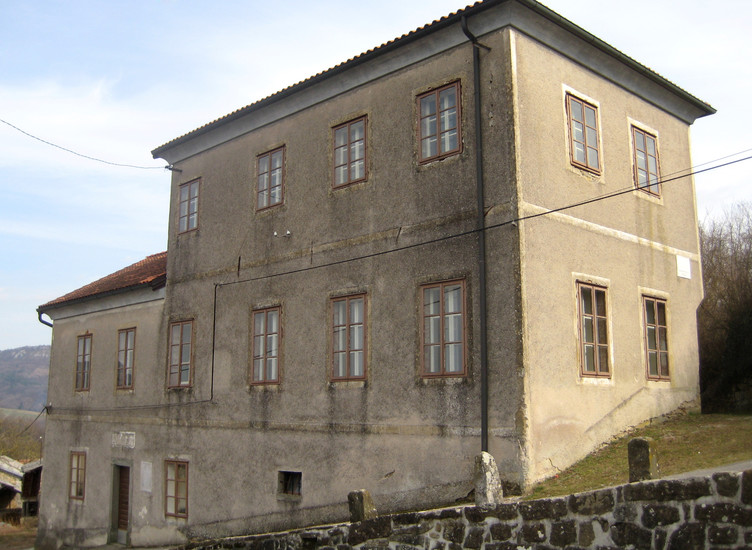
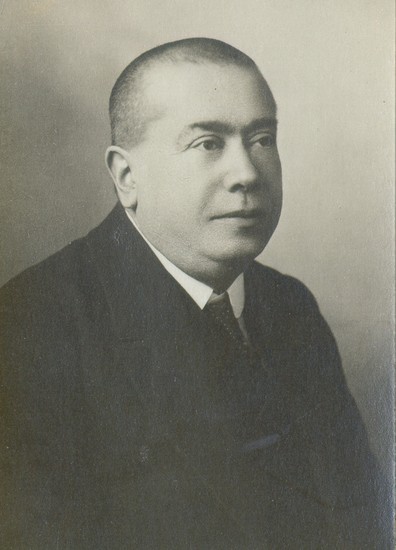
Cerknica was the birthplace of Fran Gerbič and Jože Udovič. Gerbič was a composer, operatic tenor and general 19th century romantic who wrote songs such as ‘Pojdem na prejo’ (I’ll Watch the Girls Spinning), but it was Udovič who made the bigger impression on the national consciousness. After being swiped by the Italians in World War Two he ended up joining the Partisans, and his patriotic wartime songs were a big hit. His free form writing also looked at spiritual crises and existentialism, two of our favourite subjects here at In Your Pocket.
First up from the municipality of Postojna we have Miroslav Vilhar. Born in Planina in 1818, Vilhar studied in Austria before returning to Slovenia and embracing his nationality, learning the language and writing patriotic love songs and poems that focused on Slovenian identity. He is regarded as being instrumental in awakening the national consciousness of the farmers, for whom being ‘Slovenian’ wasn’t important beforehand. Born in Postojna itself, Alojz Kraigher was a drama writer whose work took on a frequent sexual tone as social conditions before and after World War One were analysed. A recipient of the Prešeren Award for lifetime achievement, a room in the Postojna Cultural House is dedicated to him.
It isn’t all men men men though, and the person that the Ilirska Bistrica library is named after is next on our list. Maksa Samsa was born at the beginning of the 20th century, and her songs full of wisdom and kindness are still revered today. This superstitious lady came to a tragic end however, drowning in shallow water near her hometown.
Fran Milčinski was born in Lož and would go on to become one of Slovenia’s most important humourists of the late 19th and early 20th century. His scathing work ridiculed the petty bourgeoisie, a form that whilst common place today had a very different standing 100 years ago.
Last, but by no means least, Dragotin Kette was born in Prem and is arguably the most important of the writers to come out of the Green Karst. This Neo-romantic impressionist is considered one of the founders of modernism in Slovene literature, and despite only living to be 23 he gained popularity and acclaim during his lifetime. Ivan Cankar himself considered Kette to be the best talent the country had produced since France Prešeren himself. Big praise indeed.

Comments