

The Wild Karst
more than a year ago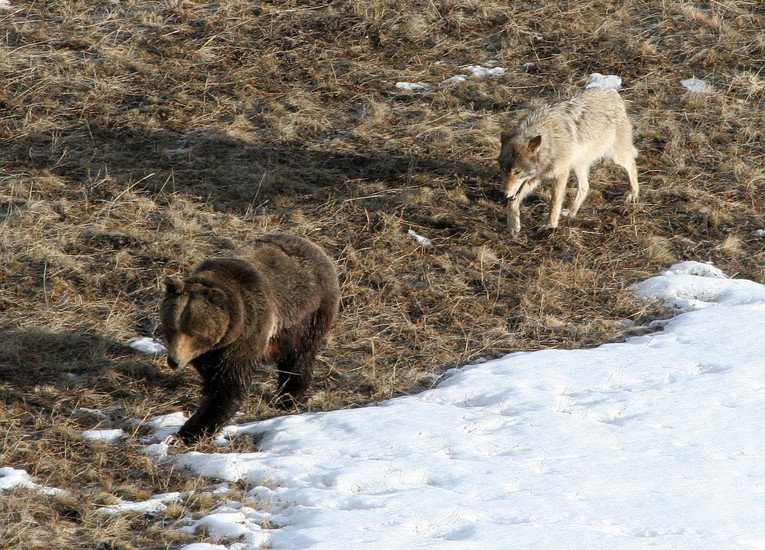
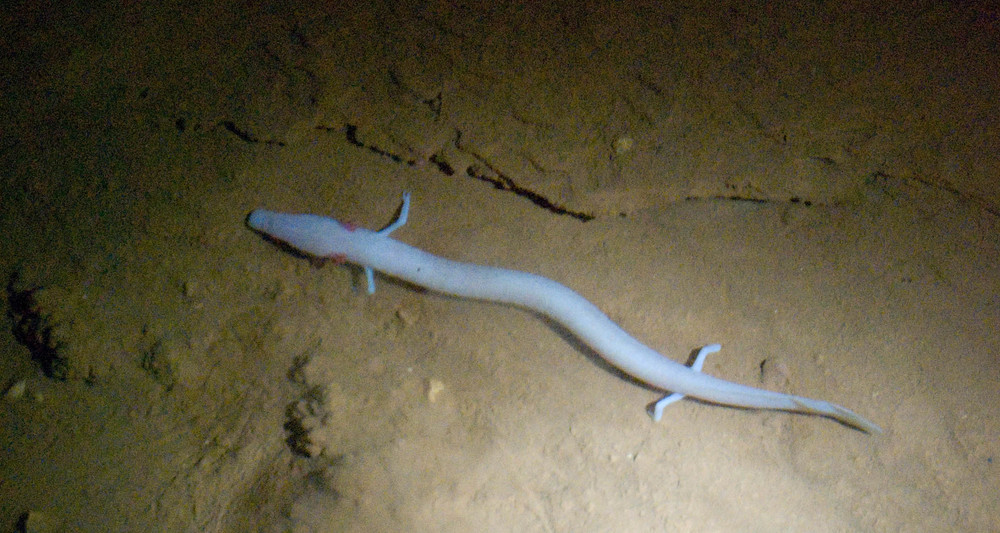
Arguably the Olm is the best known of the living beings here, which considering the fact it lives underground, can go several years without food and has regressive eyes is a little surprising. Also known as the Proteus, it is the largest exclusively cave-dwelling animal in the world, and is perfectly adapted to living in the dark. It’s skin almost resembles that of a human, hence the nickname Human Fish. Postojna Cave is the place to head to catch a glimpse.
If cave-dwelling salamander-types aren’t your thing, you’ll be pleased to know that the Green Karst is home to the three great beasts of Europe. The most endangered of these is the Wolf, found in the forests of Snežnik. Whilst the status of the wolf may be in a vulnerable state, the ease of migration in the region has allowed it to cling on. Some 40 years ago the Lynx was completely gone, but the cat has since been reintroduced and its population is flourishing. The real cerowd-drawer here is the Brown Bear. Bear hunting has been prohibited since 1993, and the population of the bear has expanded ever since. These majestic beasts hibernate from November through to March, but through the spring and summer months there are ample opportunities to go bear watching throughout the Karst. There are also a number of Slovenian proverbs focused on the bear, such as ‘medvedja usluga’ (a bear’s favour) and the frankly bizarre ‘tristo kosmatih medvedov’, arguably the tamest insult we’ve ever come across.
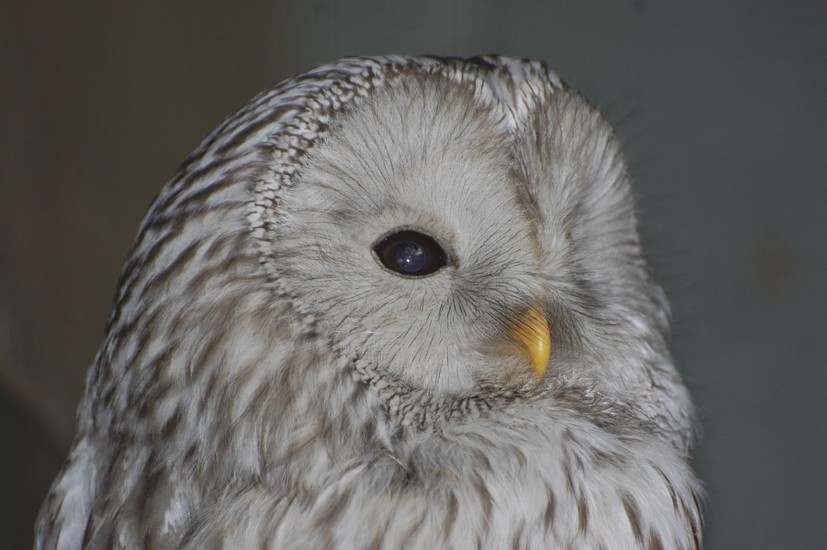
As well as the great beasts we find a dizzying array of birds, loud and colourful birds. Lake Cerknica itself is something of a bird watching mecca, with more than 250 species nesting here including the endangered Corncrake. We also find the Woodpecker, Ferruginous Duck, Common Redshank and even the Ural Owl. This is just to name a few of course.
It isn’t all about the animals though, and the colours on display throughout the Green Karst’s pastures, meadows, springs and brooks will surely take your breath away. The central Snežnik-Javornik Mountains are actually the greatest continuous uninhabited forest area in all of Slovenia and the wider area. Nature lovers are truly in for a treat in the Green Karst.

Comments