Riga City Guide

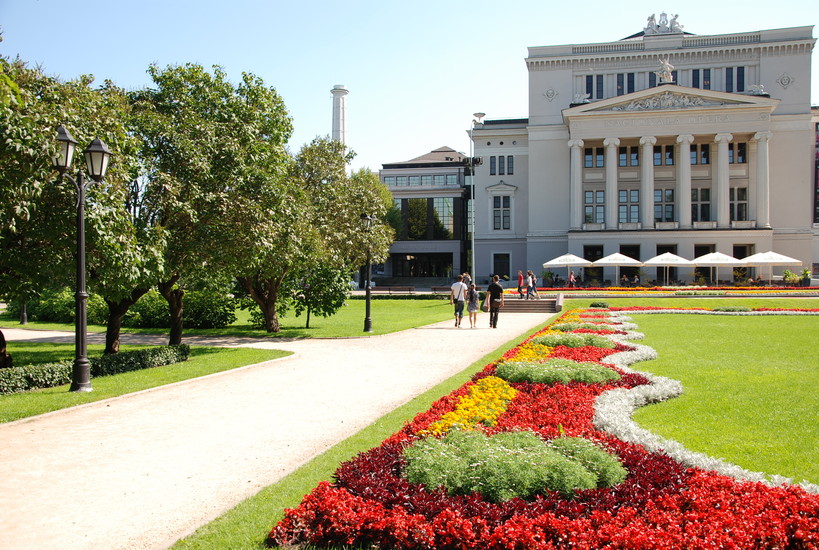
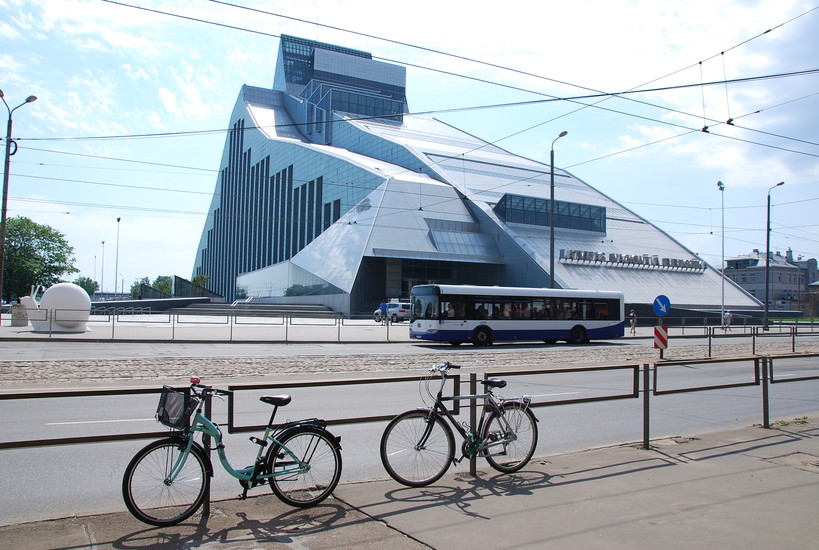
The city's most distinctive contribution to the world's architectural heritage is its art nouveau. Between 1904 and 1914, during a period of extraordinary economic growth that saw Riga become the fifth largest city in the Russian Empire, local architects trained at the Riga Polytechnic covered the expanding city centre with ornate apartment buildings of a quality and concentration found nowhere else on earth. Around 800 art nouveau buildings survive, accounting for roughly a third of all buildings in the city centre, and the Historic Centre was designated a UNESCO World Heritage Site in 1997 in recognition of what it calls architecture "unparalleled anywhere in the world." Alberta Street, designed almost entirely by architect Mikhail Eisenstein between 1901 and 1908, is the centrepiece, though the Quiet Centre neighbourhood surrounding it rewards several hours of wandering in any direction.
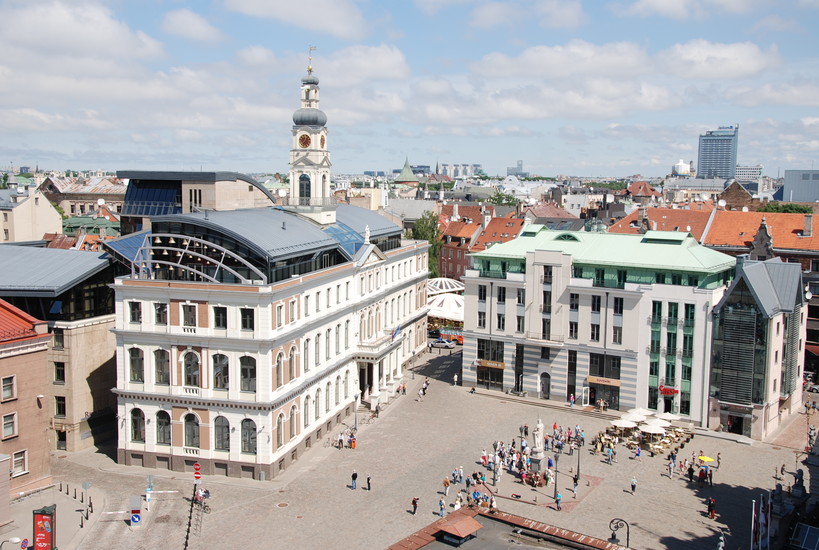
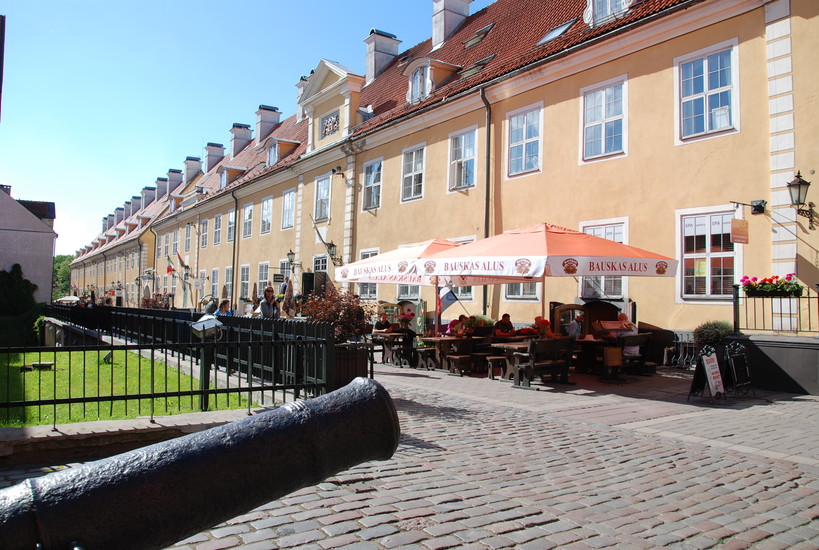
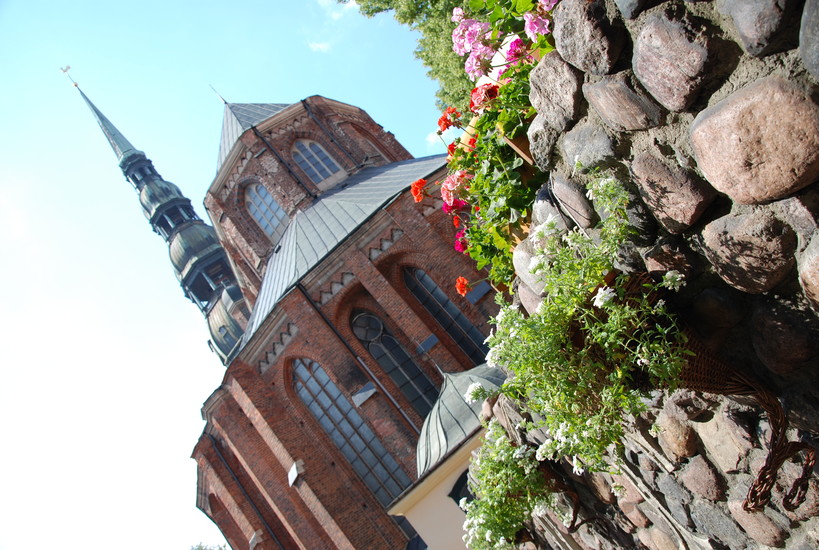
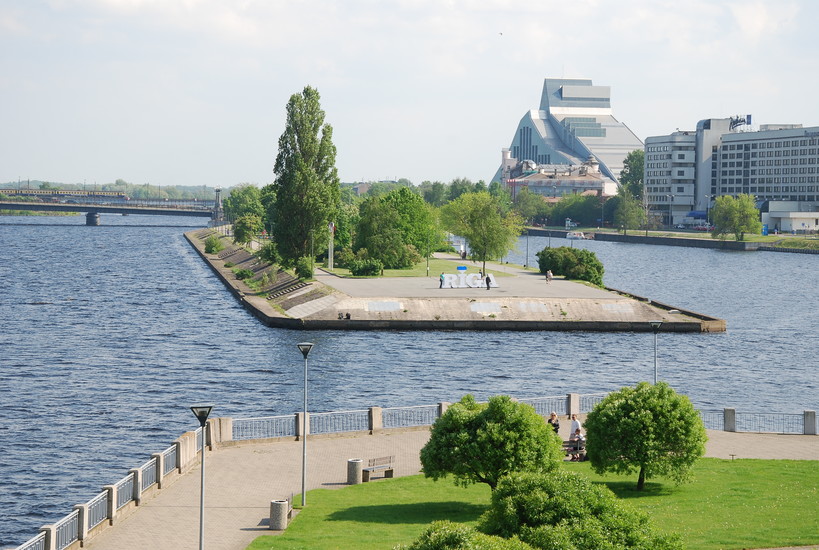
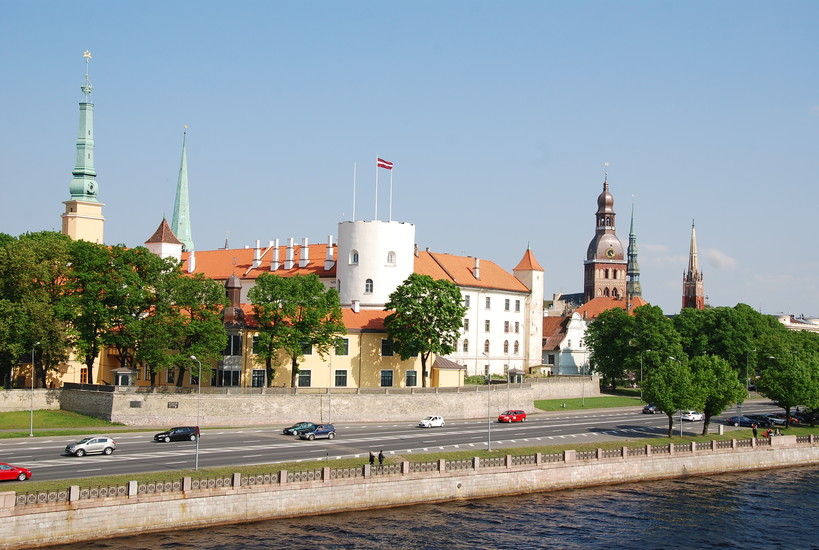
The medieval Old Town on the banks of the Daugava River, the Riga Central Market in five repurposed Zeppelin hangars, the Latvian National Museum of Art, the House of the Blackheads and the vast Latvian Ethnographic Open Air Museum on the shores of Lake Jugla are among the other reasons to stay longer than the art nouveau tour requires. The city has a population of around 600,000, a lively cultural scene that belies its size, and a direct train to Jurmala's beaches that takes 30 minutes and costs almost nothing. It is, by any reasonable measure, one of the most rewarding and undervisited capitals in Europe.