Vilnius In Your Pocket
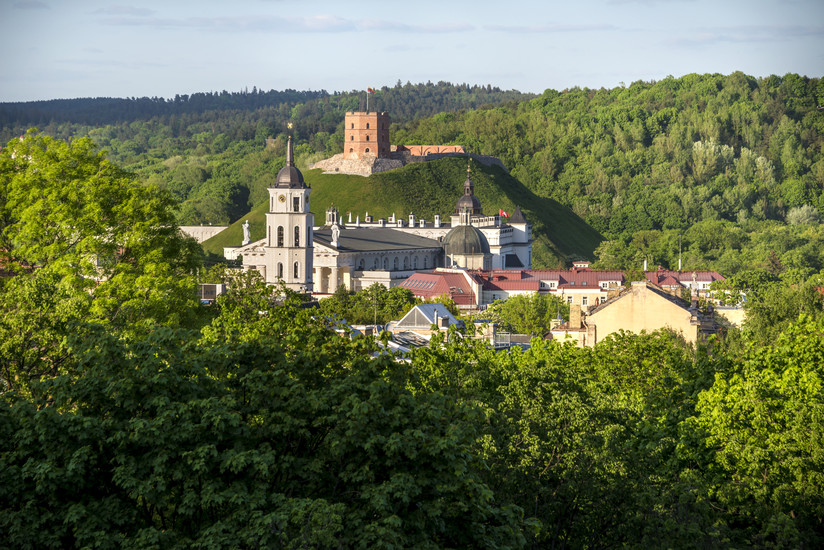
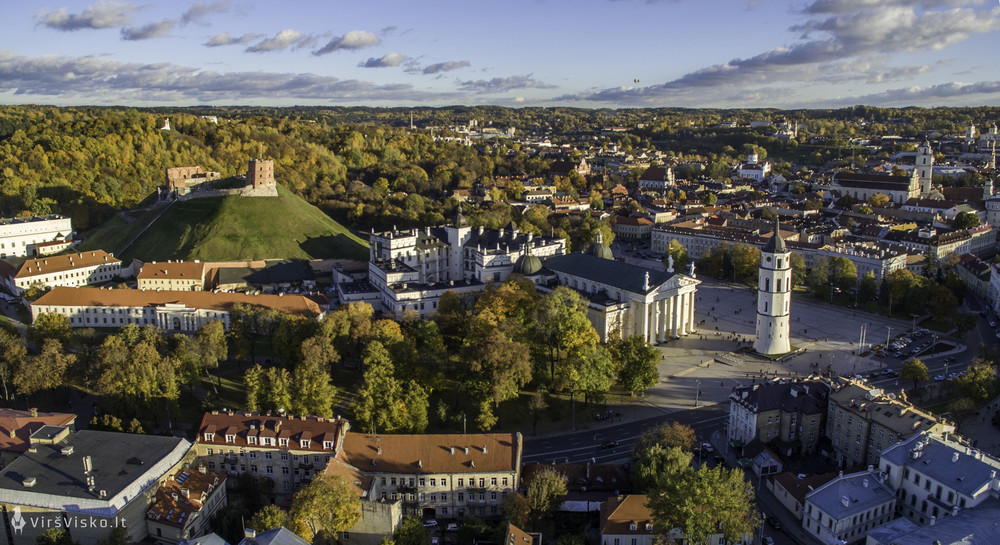
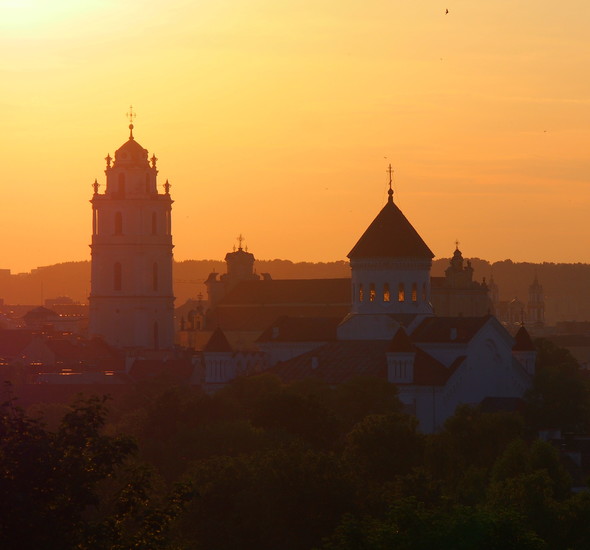
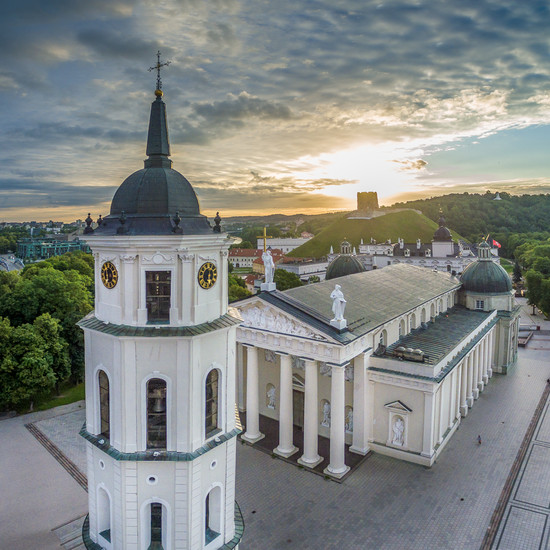

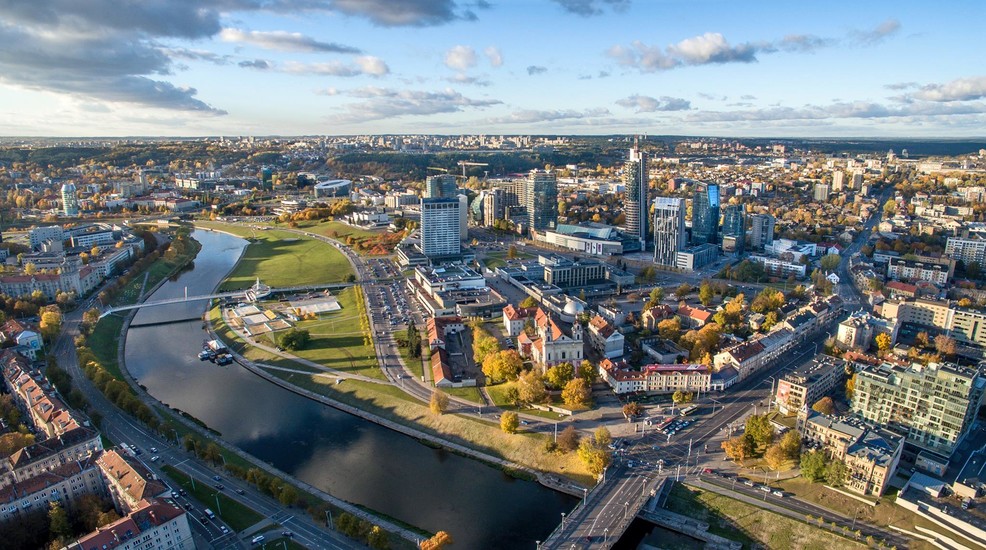
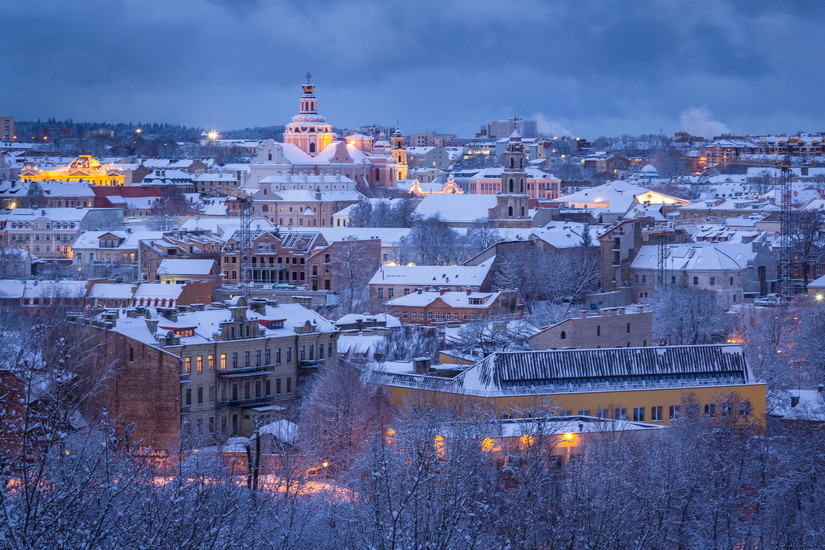
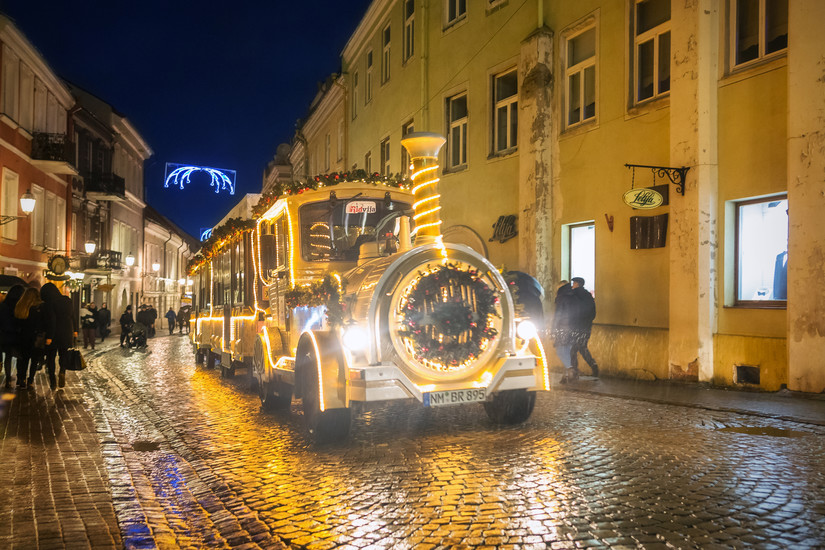
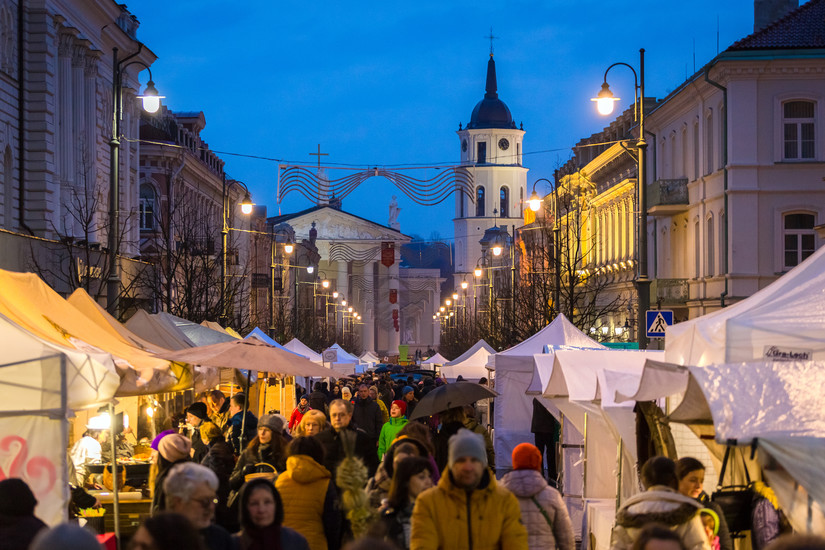
The Old Town, covering 3.6 square kilometres and listed as a UNESCO World Heritage Site in 1994, is the largest surviving medieval old town in northern Europe and the largest baroque old town in all of central and eastern Europe. Gothic, Renaissance, baroque and neoclassical architecture stand within metres of each other in streets that follow their medieval layout with cheerful disregard for the grid. Vilnius University, founded in 1579 by the King of Poland and Grand Duke of Lithuania Stephen Báthory, occupies a complex of 13 courtyards at the heart of the old town that constitutes an architectural ensemble in its own right. The Cathedral Square, Gediminas Avenue, the Church of St Anne and the Church of St Peter and St Paul are among the other set pieces that make the old town an extremely easy place in which to lose an afternoon.
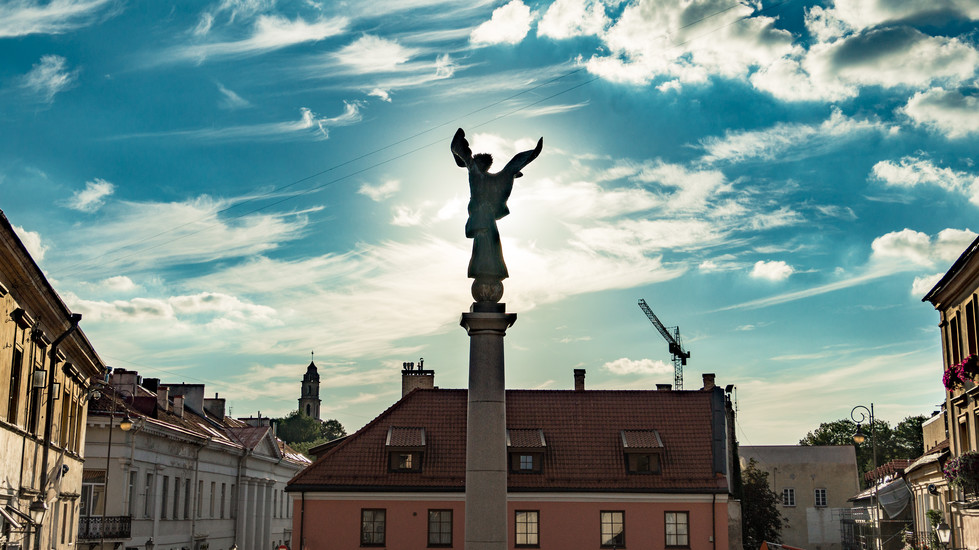
Across the Vilnia River from the old town, the self-declared independent republic of Užupis has its own constitution, its own president, its own flag and a 41-article declaration of rights that includes the right to be happy, the right to be unhappy, and the right to be a cat. It was proclaimed on April Fools' Day 1997, which tells you most of what you need to know about its founding spirit. In practice it is a neighbourhood of artists, cafes and galleries, and one of the more enjoyable places in the city for an unhurried walk.
Vilnius today has a population of around 620,000, a growing reputation for food and nightlife, and a cultural confidence that independence, now more than three decades old, has steadily reinforced. It is one of the most undervisited capitals in Europe, which is either a mystery or an opportunity depending on when you get there.