

The reality of moving to Australia is simultaneously better and worse than the brochure suggests, depending on which particular wall you happen to run into first. We’ve put together the things that genuinely catch people off guard – not the stuff everyone already knows, but the details that only emerge once you’re already there and slightly baffled.

The Cost of Living Will Surprise You, Even If You Think You’re Prepared
Everyone knows Australia is expensive. What they don’t know is quite how expensive, or quite how relentlessly the costs stack up. Groceries, utilities, a round of drinks, a haircut – all of it sits noticeably above what most Europeans and many Americans are used to. A mid-range restaurant meal can easily run to AU$30–40 per head before you’ve ordered anything to drink. A flat white at a café in Melbourne – and you will be drinking a lot of flat whites in Melbourne – is typically AU$5 or so. Petrol, insurance, childcare: all painful.Housing is where it really bites. Sydney and Melbourne consistently rank among the most expensive rental markets in the world, and the housing crisis that Australians themselves complain about loudly and constantly is not an exaggeration. Turning up to a rental inspection and finding thirty other people with folders of paperwork is not unusual. It is, in fact, entirely normal. Budget accordingly, and then budget a bit more on top of that.
The saving grace is that wages tend to be reasonably competitive, particularly in skilled professions, and the minimum wage is among the highest in the world – currently sitting at AU$24.95 an hour. Australia can absolutely work financially. Just don’t arrive expecting it to be cheap.
Superannuation Is Genuinely Brilliant, and You Need to Pay Attention to It
One of the genuinely pleasant surprises of working in Australia is the superannuation system – “super” to everyone who lives there, which is everyone. Your employer is legally required to contribute 12% of your wages into a retirement fund on top of your salary. Not instead of it. On top of it. For people arriving from countries with flimsier pension arrangements, this can feel like discovering a previously unknown room in your house.The catch – and there is always a catch – is that many migrants end up with multiple super accounts, one for each job they’ve held, each quietly charging fees and eroding balances. Get on top of this early. Consolidate your accounts, pick a decent fund, and don’t ignore the letters. The money is locked away until retirement, but it is very much your money, and it accumulates into something meaningful if you leave it alone and manage it sensibly.
Australians Are Not Actually That Laid-Back
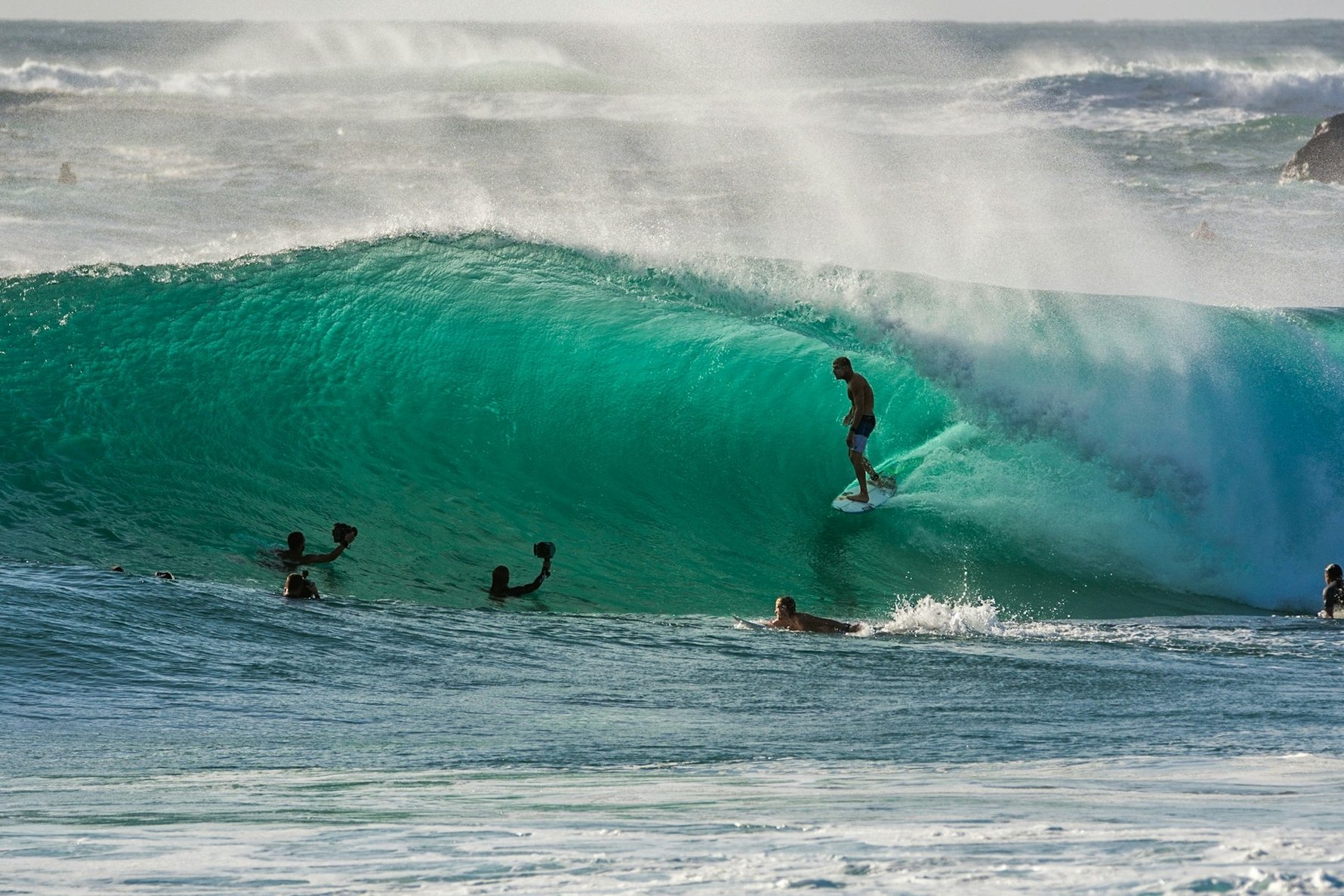
The stereotype of the eternally relaxed Australian – board shorts, no worries, she’ll be right – does a disservice to the people who actually live and work there. Australians work hard. They also complain vigorously about their government, stress about property prices, and have extremely strong opinions about coffee. The laid-back thing is more of a social register than a way of life – a cultural preference for understatement and informality that can be mistaken for indifference by people who are used to more performative enthusiasm.What is true is that the country genuinely values work-life balance in a way that some places only claim to. The attitude towards taking your annual leave, knocking off on time, and actually disconnecting at weekends is refreshingly sane compared to many English-speaking countries. That part of the reputation is earned.
The Distances Are Genuinely Vast
Australia is roughly the size of the contiguous United States. This is the sort of fact that everyone nods at and then completely fails to internalise until they’re looking at a map and realising that Perth is further from Sydney than London is from Tehran. Flying between major cities is routine – a three-hour flight from Melbourne to Perth is considered perfectly normal for a weekend away – but it costs money and takes time, and it means that “popping over” to see something in another state is not really a thing.This also applies to the landscapes within each state. The Blue Mountains are beautiful and “just outside Sydney” in the same way that plenty of spectacular things are just outside wherever you happen to be – which is to say, two hours by car, minimum. Australia rewards people who are comfortable with driving long distances and genuinely unnerves people who are not.
Sydney isn't the Capital
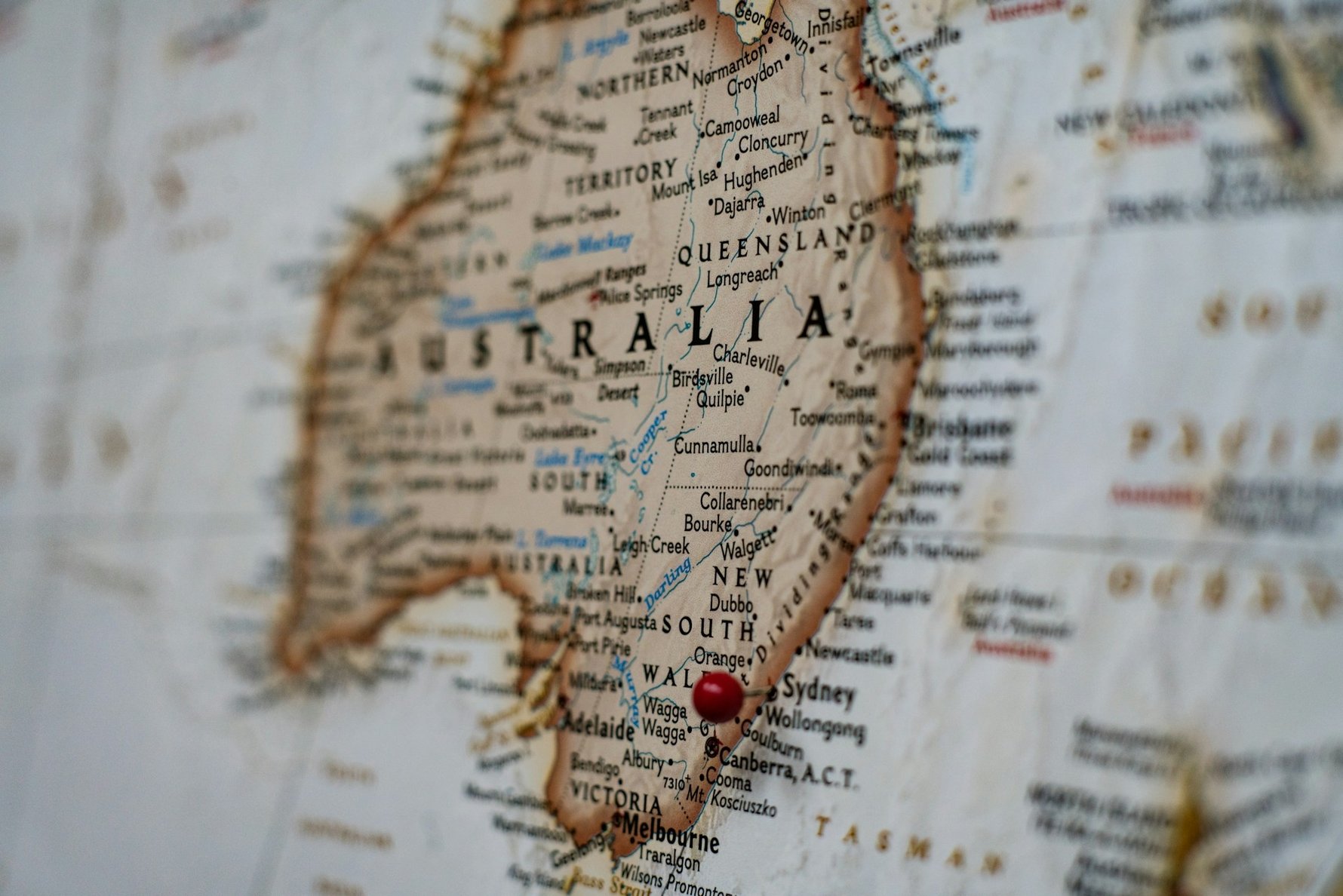
It isn’t Melbourne either, before you ask. The capital of Australia is Canberra, a purpose-built city in the Australian Capital Territory that was designed specifically to resolve the Sydney-Melbourne rivalry and has been quietly getting on with governing the country ever since. Most Australians treat this fact as either a source of mild amusement or an administrative inconvenience, depending on whether they work there.Canberra is, for the record, a perfectly decent city with excellent museums, good restaurants, and a remarkably pleasant lake. It simply isn’t what anyone pictures when they picture Australia.
The Healthcare System Is Good, but Understand How It Works
Medicare, Australia’s public healthcare system, covers Australian citizens and permanent residents for GP visits, hospital treatment, and a range of specialist services. For newcomers from countries without universal healthcare, this is an enormous relief. For newcomers from countries that already have it, it mostly makes sense but has its own quirks to navigate.Dental isn’t covered by Medicare, which comes as an unpleasant surprise to many. Bulk billing – where the GP bills Medicare directly and you pay nothing out of pocket – is increasingly difficult to find in major cities, meaning you may end up paying a gap fee even for standard consultations. Private health insurance is not mandatory but becomes increasingly sensible as a supplement, particularly for anything involving a hospital stay. The system works. It just requires a bit more navigation than the phrase “universal healthcare” might imply.
Comments